Hydrogen

Safety Solutions for Hydrogen

Hydrogen will be crucial in the future energy mix, supporting energy security and lower-carbon systems. Its production and transport pose unique safety challenges due to its explosive range, low ignition energy, and high diffusion rate. PROTEGO® offers individual research and development studies tailored to your unique requirements plus specialized  Flame Arresters and Breather Valves Soupape de surpression et dépression A pressure and vacuum relief valve is a pressure equalization valve for impermissible pressure and vacuum in a closed system. for hydrogen ensuring tailored safety solutions for project needs.

Ammonia as a Hydrogen Carrier

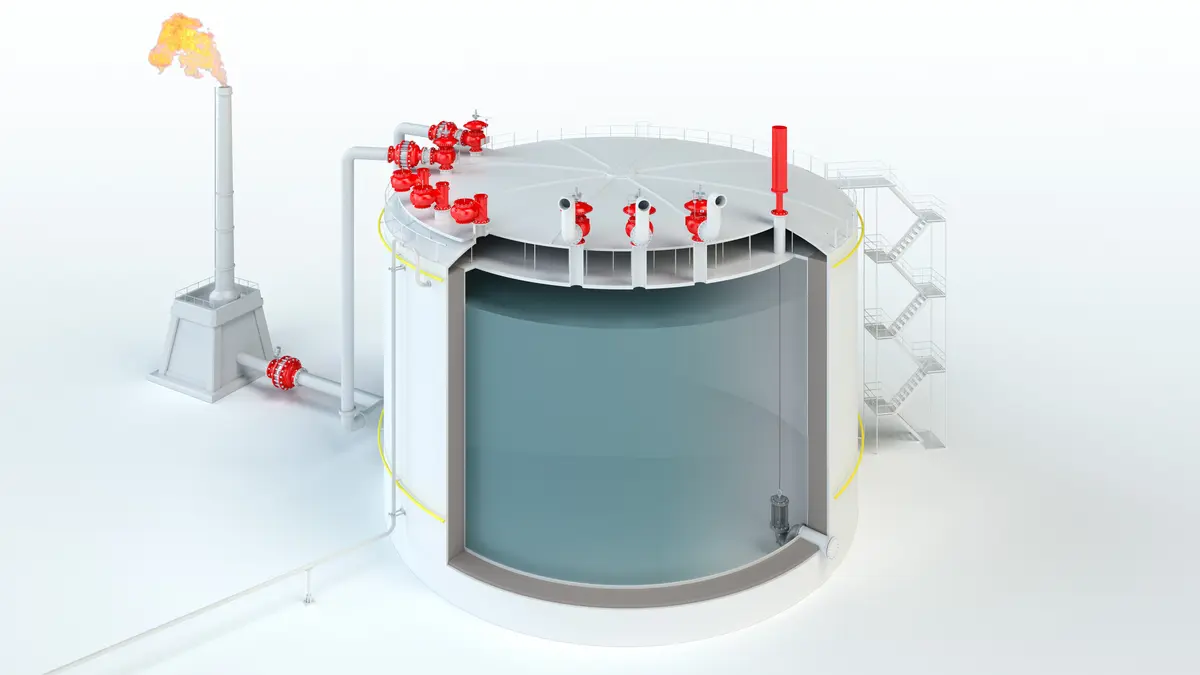
Ammonia is widely used as an effective means to transport and store hydrogen. In this configuration, safety considerations extend beyond the hydrogen itself to the associated tank systems and venting arrangements.​

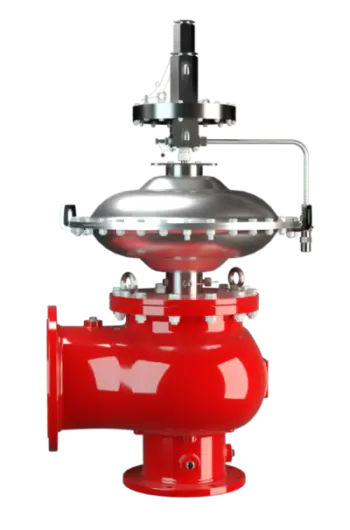
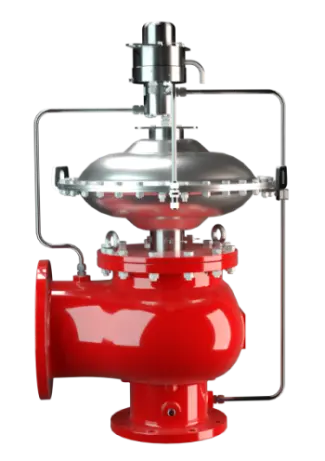
An example ammonia storage tank configuration illustrates the placement of Pilot Operated Relief Valves, Pressure and Vacuum Relief Valves, In-Tank Valves, and in-line Detonation  Flame Arresters as part of an integrated tank safety system.
Highlights
Safeguarding
against potential explosions 
Reduced product losses
and emissions
Supports safe low-temperature operation 
with documented compliance
Process opimization
cradle to grave project engineering support

Products for Ammonia Applications

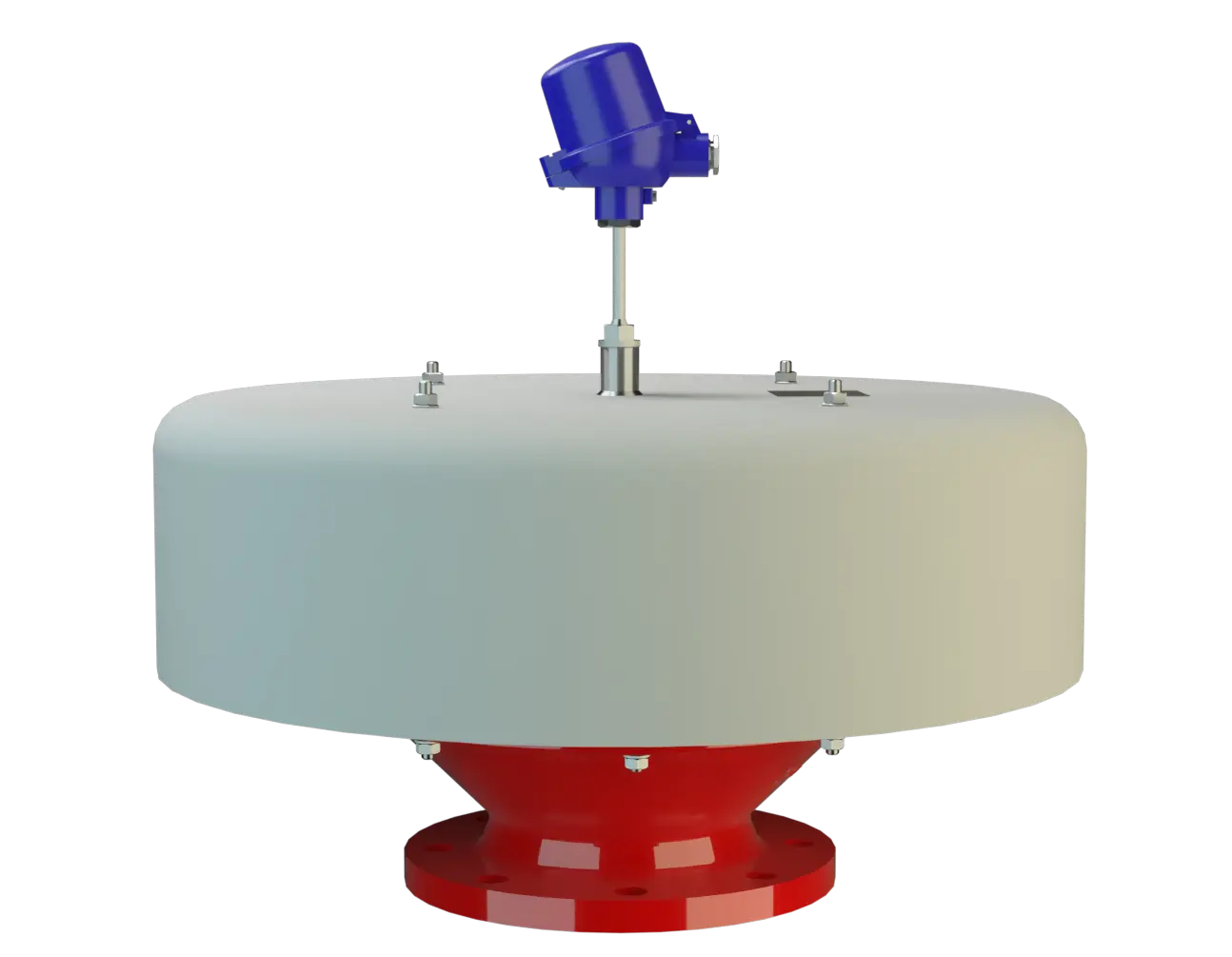
VN-A-PCPM
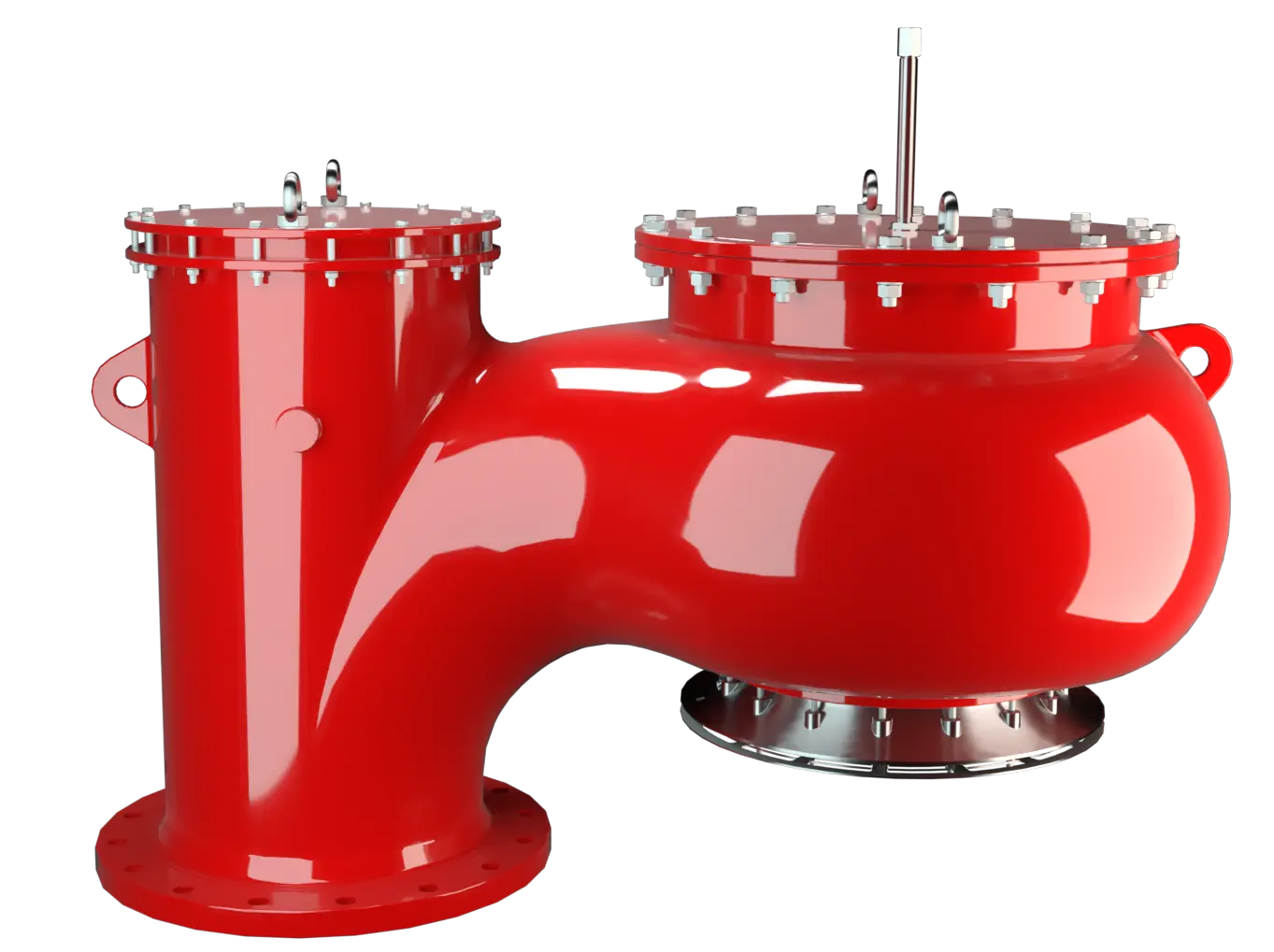
Pressure/Vacuum Relief Valve
vacuum range
-2.2 up to -7 mbar
pressure range
20 up to 1034 mbar
DA-SB
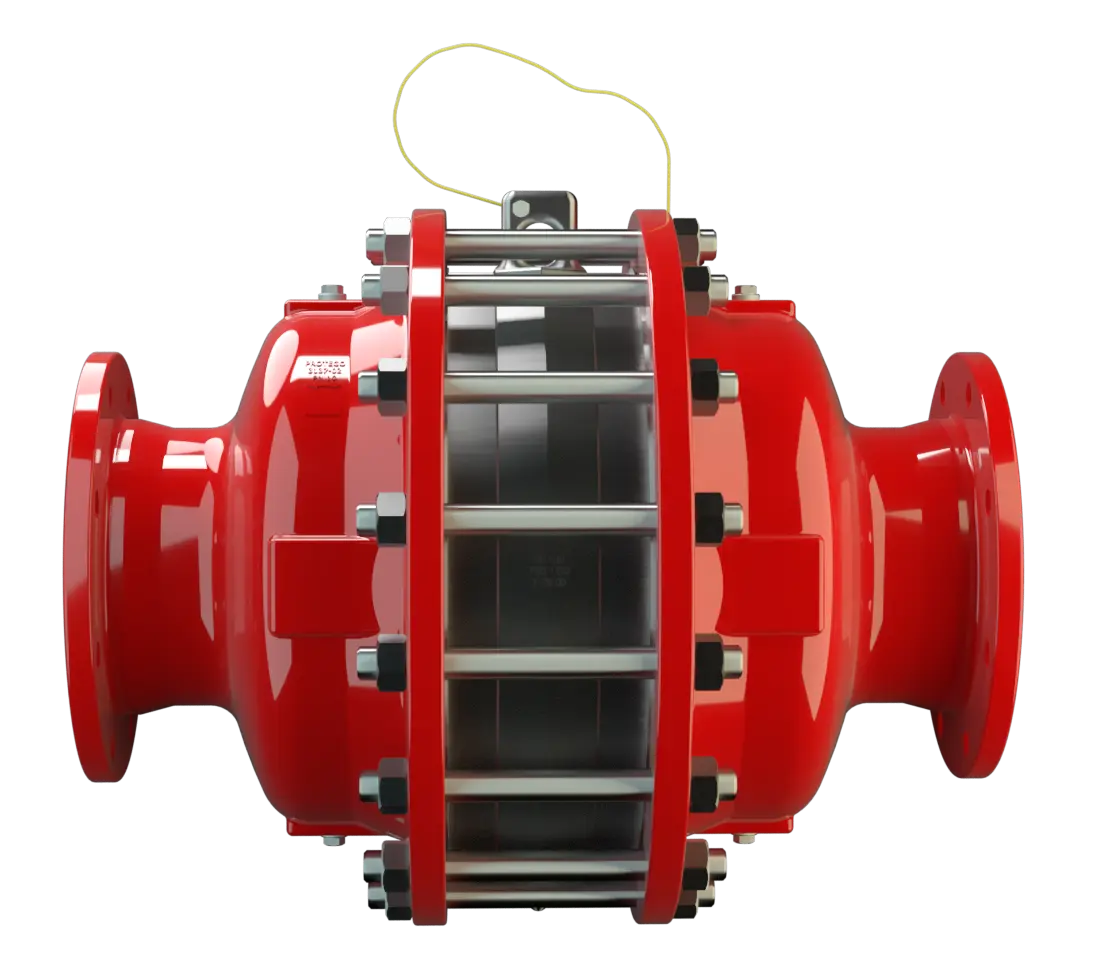
In-Line Detonation Flame Arrester
Explosion Group
IIA1
D / IIA
C / IIB1
C / IIB2
C / IIB3
B / IIB
B / IIC
VN-VU
Vacuum Relief Valve
vacuum range
-2.6 up to -25 mbar
VN-A-PCPF
Pressure/Vacuum Relief Valve,
vacuum range
2.2 up to 7 mbar
pressure range
20 up to 1034 mbar

Applications for 
Electrolysis Processes

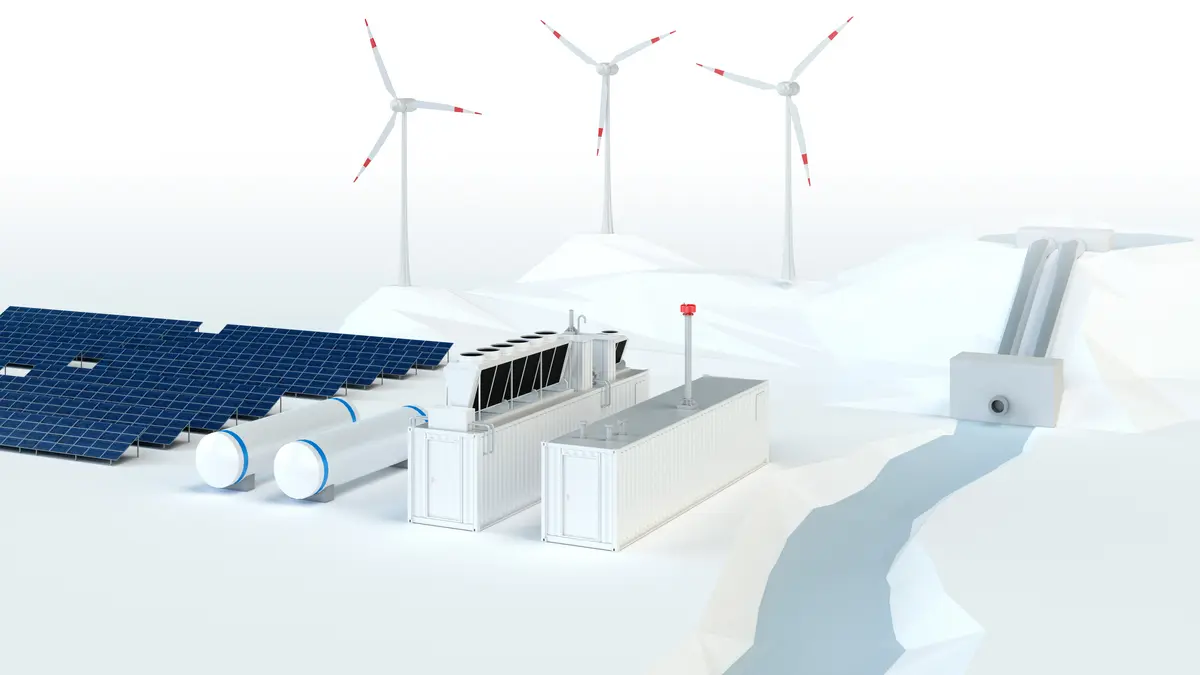
System safety and personnel protection are top priorities during hydrogen production and transport. Hydrogen forms highly flammable and explosive mixtures with air, having low ignition energies and small safe gap sizes.
The explosion risk increases with higher oxygen concentrations, such as in electrolysis processes. Safety devices are selected based on the specific hydrogen–oxygen concentration. Engineering ensures protection measures align with actual operating conditions.
Highlights
Zero flashback incidents
when sized, located, and maintained per application
Higher uptime & lower losses
with field proven technology optimized for application efficiency
Lifecycle confidence
with maintenance friendly designs and a global aftersales service network
Compliance made simpler
with documented test data and independent 3rd party approvals

Products for Hydrogen Applications

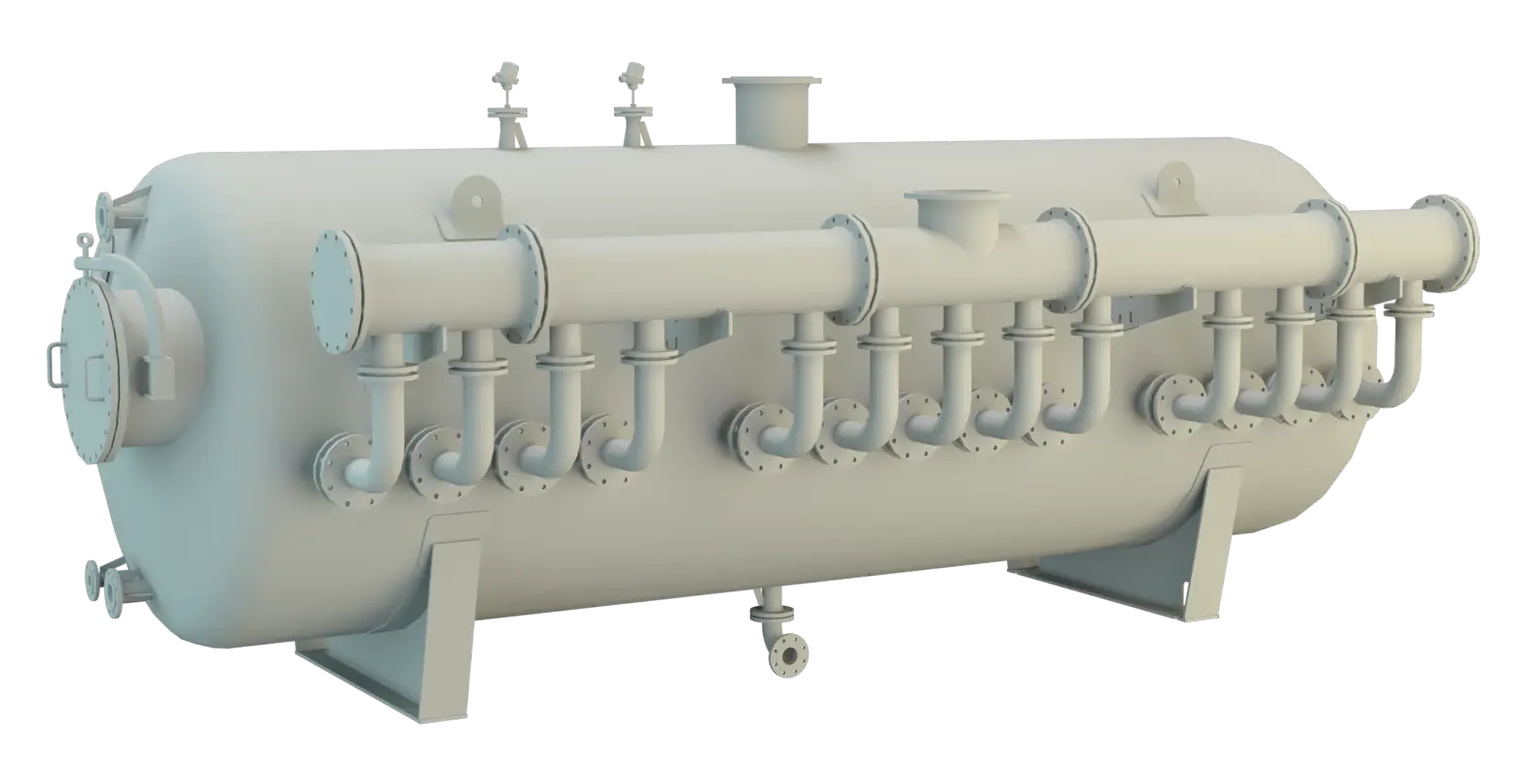
TS/P, TS/E, TS/W
Hydraulic Flame Arresters
Explosion Group
IIA1
D / IIA
C / IIB1
C / IIB2
C / IIB3
B / IIB
B / IIC
DA-SB
In-Line Detonation Flame Arrester
Explosion Group
IIA1
D / IIA
C / IIB1
C / IIB2
C / IIB3
B / IIB
B / IIC
LH/AD-T
Deflagration Flame Arrester, short time burning-proof, End-of-Line
Explosion Group
IIA1
D / IIA
C / IIB1
C / IIB2
C / IIB3
B / IIB
B / IIC
FA-G
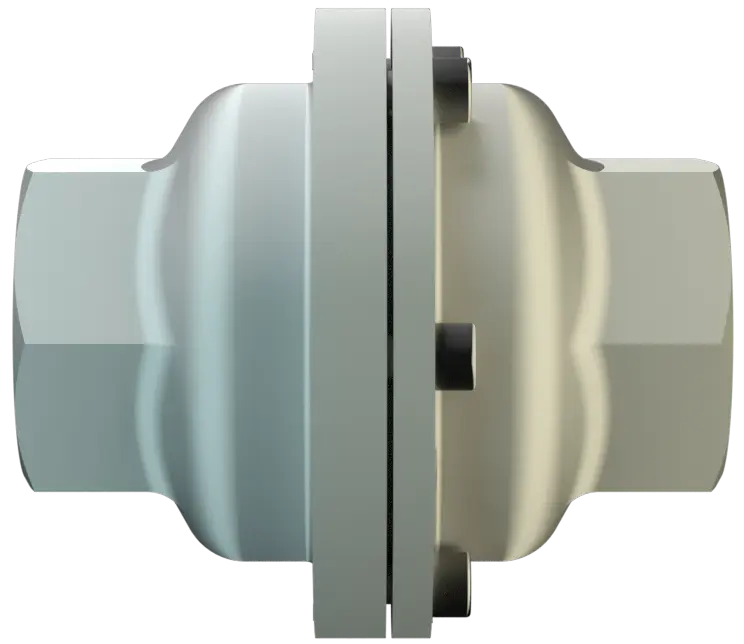
In-Line Deflagration Flame Arrester
Explosion Group
IIA1
D / IIA
C / IIB1
C / IIB2
C / IIB3
B / IIB
B / IIC

We are highly impressed to see the quality of the products and the knowledge to help us build a state-of-the-art storage terminal. We have always appreciated the timely deliveries of the flame arresters and other equipment.  

Get in Touch

Contact our engineers for your 
individual requirements