Safety Solutions Along the CCUS Chain
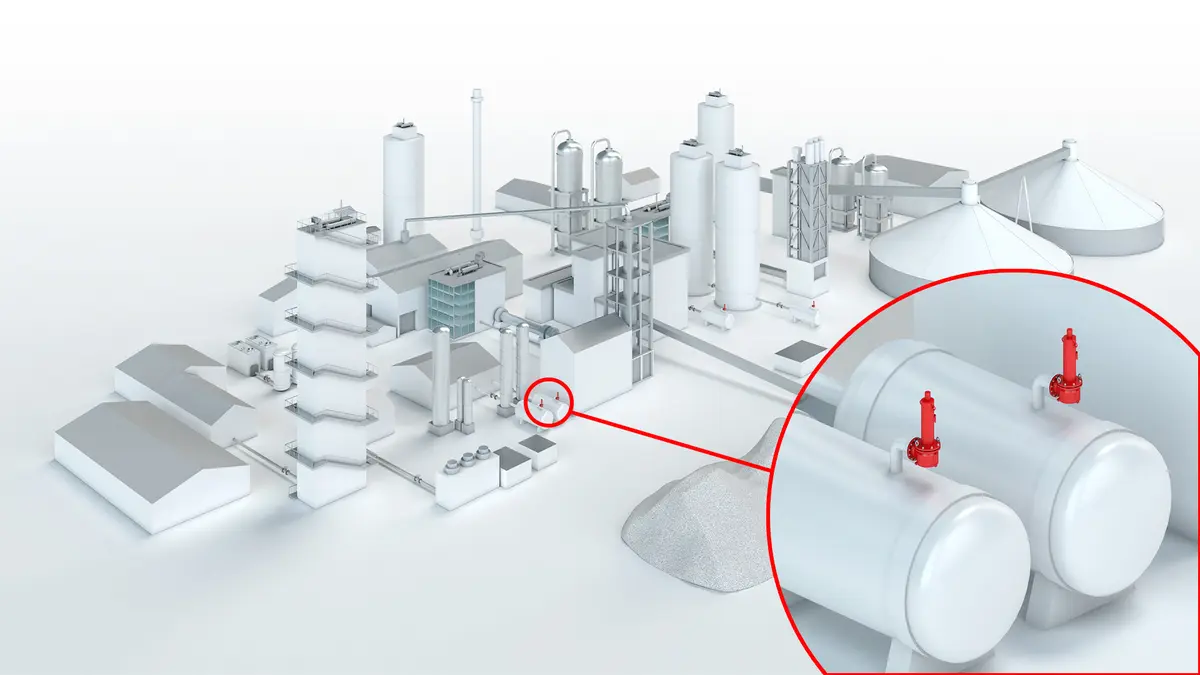
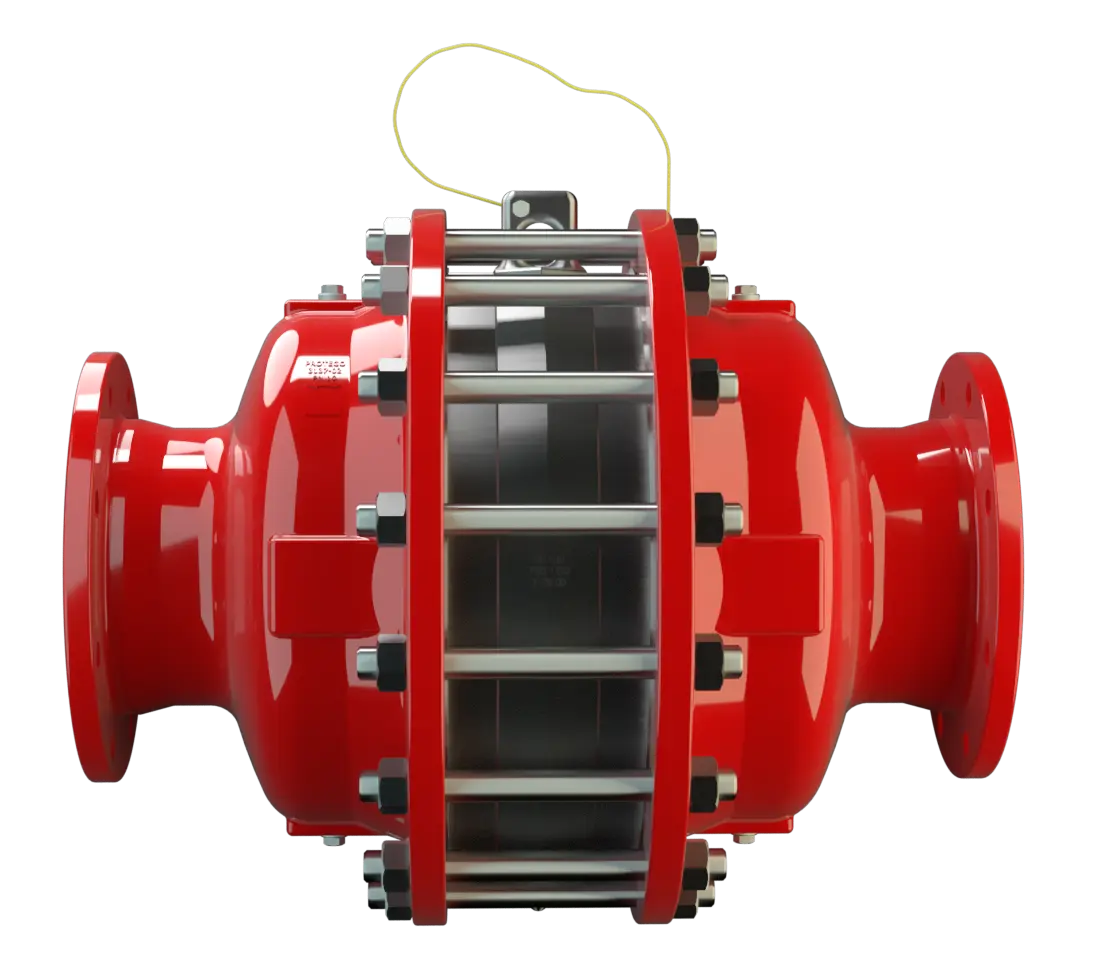
In plants that convert coal or biomass into synthesis gas (syngas – a mixture of hydrogen, carbon monoxide, and carbon dioxide), CO₂ is removed before combustion. In-line Detonation Flame Arresters protect high-pressure gasifier lines against flashback and explosions caused by highly volatile gases such as hydrogen and syngas.
In oxy-fuel systems, fuel is burned in (nearly) pure oxygen, producing an exhaust stream consisting mainly of carbon dioxide and water vapor. Flame Arresters installed in the oxygen feed lines and vapor recycling loops prevent local ignition or flashback from propagating upstream toward pure oxygen storage, thereby minimizing explosion risk.
Post‑combustion capture systems commonly use liquid chemical solvents (such as amines) to absorb carbon dioxide. The solvent is then heated in a stripper column to release purified CO₂. Flame Arresters installed on vapor recovery vents safely isolate volatile organic solvent vapors from potential external ignition sources, preventing flashback and explosion.
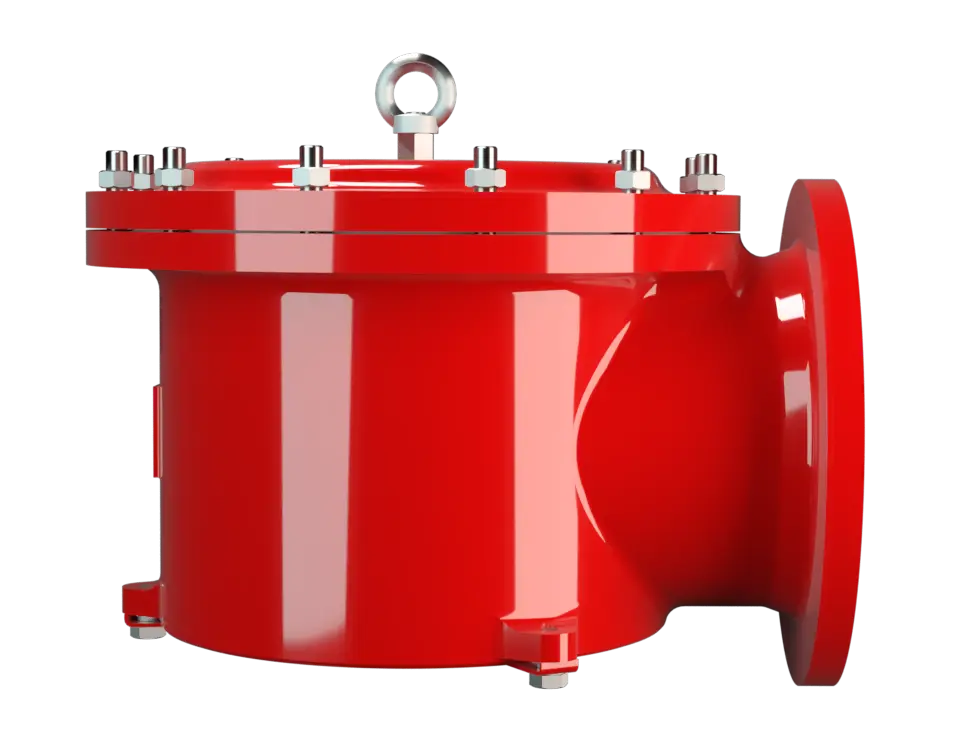
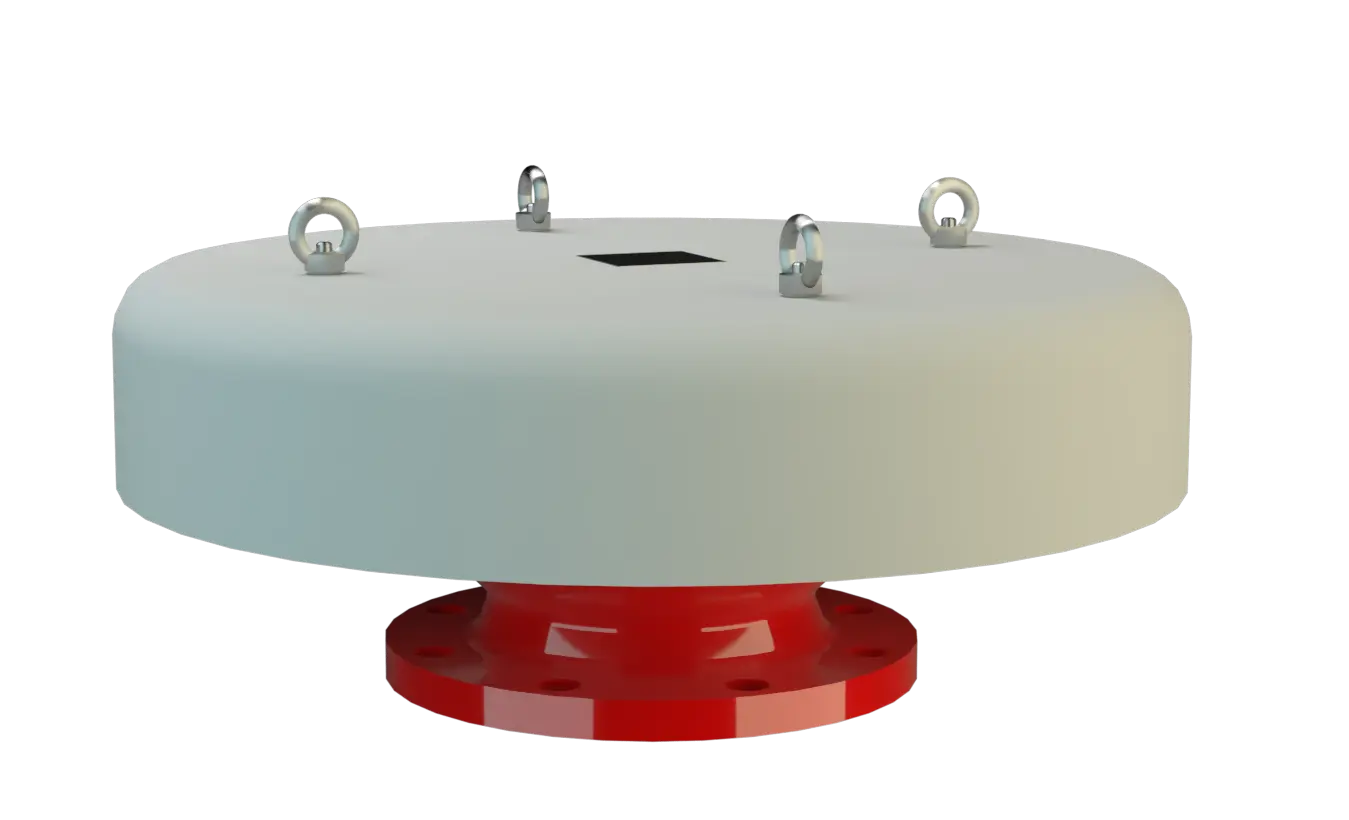
Carbon capture from anaerobic digesters and municipal waste‑to‑energy plants must handle raw biogas, primarily methane mixed with carbon dioxide. End‑of‑line and in-line Deflagration Flame Arresters Arrête-flammes antidéflagration Flame arrester designed to prevent the transmission of a deflagration. It can be an end-of-line flame arrester or an in-line flame arrester. are mounted directly on biogas storage tanks and process lines to stop external atmospheric flames from propagating into the system, ensuring safe and reliable operation.
Highlights
The audit gave us clarity we didn’t have before. PROTEGO®’s engineering support helped us identify risks, justify upgrades, and move forward with a more reliable safety solution.